Navigating Careers as Pharmaceutical Drivers
The role of pharmaceutical delivery drivers is pivotal, ensuring that vital medications reach healthcare facilities and patients efficiently. These positions, often advertised with the keyword "医薬品配達ドライバー 求人," hold significance in a country's logistics and healthcare sectors. Understanding the requirements and industry dynamics can offer insights into this rewarding career path.
Introduction to Pharmaceutical Delivery
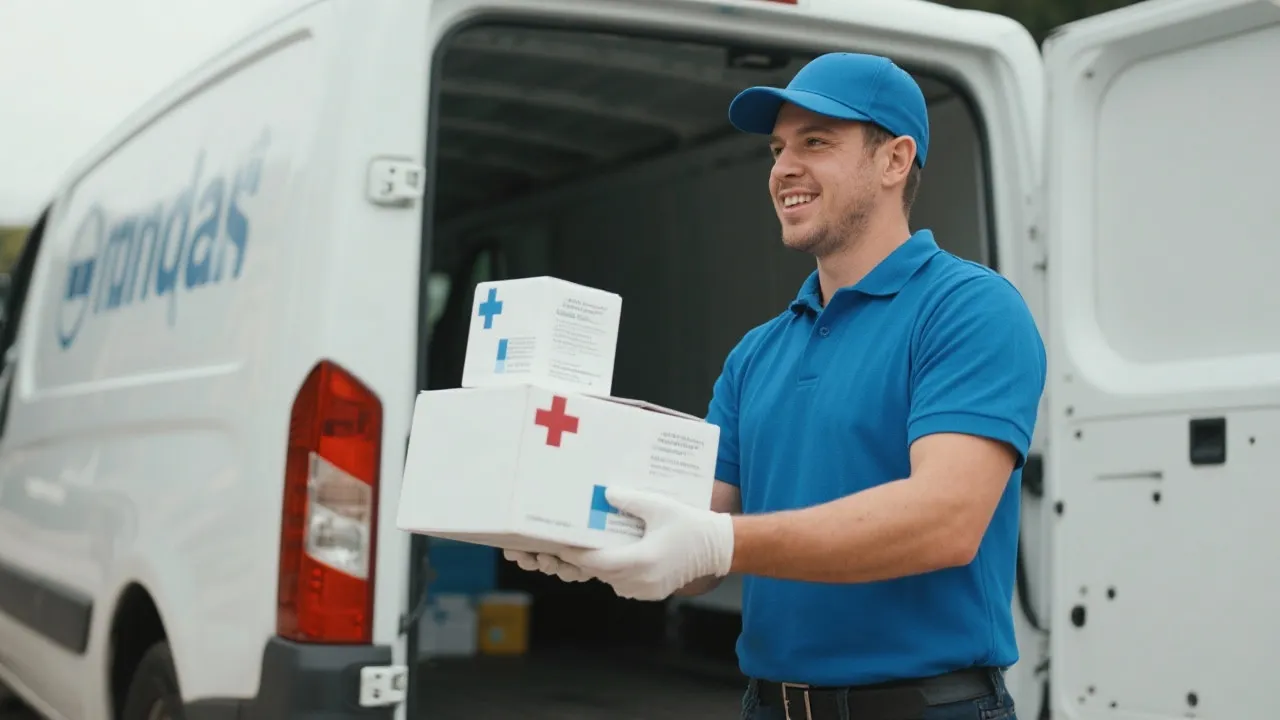
Pharmaceutical delivery drivers play a crucial role in maintaining the healthcare supply chain by ensuring the timely and secure delivery of medications. Often referred to in job listings as "医薬品配達ドライバー 求人," these roles require a blend of logistical expertise, attention to detail, and a customer service mindset to support the healthcare system's operations. The efficient transport of pharmaceuticals is crucial for both emergency scenarios and routine medical needs, impacting patient outcomes directly.
Moreover, the landscape of pharmaceutical delivery is rapidly evolving with advancements in technology, the integration of real-time tracking systems, and increased emphasis on regulatory compliance. This evolution has made the comprehension of product integrity, temperature control, and timely receipt of medications more critical than ever, turning drivers into integral components of the healthcare delivery system. The role mandates not just physical capabilities but also cognitive skills that come into play in unpredictable scenarios, forging a bond between healthcare providers and community welfare.
Key Responsibilities and Skills
Drivers in the pharmaceutical delivery field are tasked with responsibilities that include the safe handling of medicinal products, adhering to cold chain requirements, and understanding various transportation guidelines. Key skills necessary for this role involve efficient time management, problem-solving abilities, and a keen understanding of local road networks to ensure timely deliveries. Additionally, the ability to remain calm under pressure and maintain effective communication with healthcare staff and patients can significantly enhance service delivery.
Successful pharmaceutical delivery drivers must also routinely check their vehicles to ensure they are prepared for transport in various conditions. This includes maintaining temperature-sensitive shipments in equipment like refrigerated vehicles or insulated boxes. An understanding of how temperature fluctuations can impact drug efficacy is vital; thus, ongoing training often encompasses aspects of pharmaceutics, reinforcing the idea that drivers are custodians of public health.
Industry Insights and Opportunities
As the demand for pharmaceuticals continues to rise globally, driven by an aging population and widespread health concerns, the need for reliable delivery services has escalated. The pharmaceutical delivery sector offers a stable career path with opportunities for advancement, particularly for those who demonstrate exceptional reliability and knowledge of healthcare delivery protocols. For instance, the rise in e-commerce and home healthcare services has resulted in an increased reliance on pharmaceutical delivery channels, creating a significant uptrend in hiring practices for experienced drivers.
Furthermore, the COVID-19 pandemic has drastically reshaped healthcare logistics, highlighting the importance of efficient pharmaceutical distribution networks. As a result, companies are investing more in training programs and innovative solutions to enhance their delivery processes. This not only adds value to the service but also fosters a career progression path for drivers who can adapt to the changing demands of the market.
Work Environment and Conditions
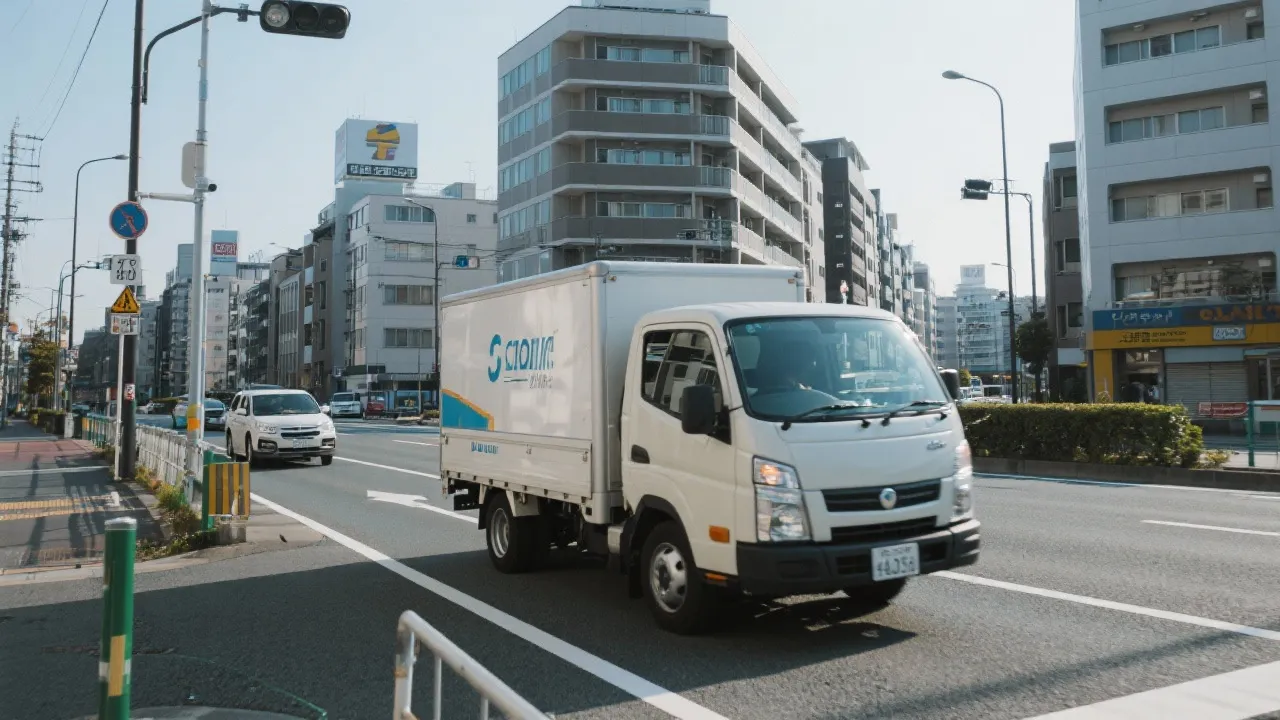
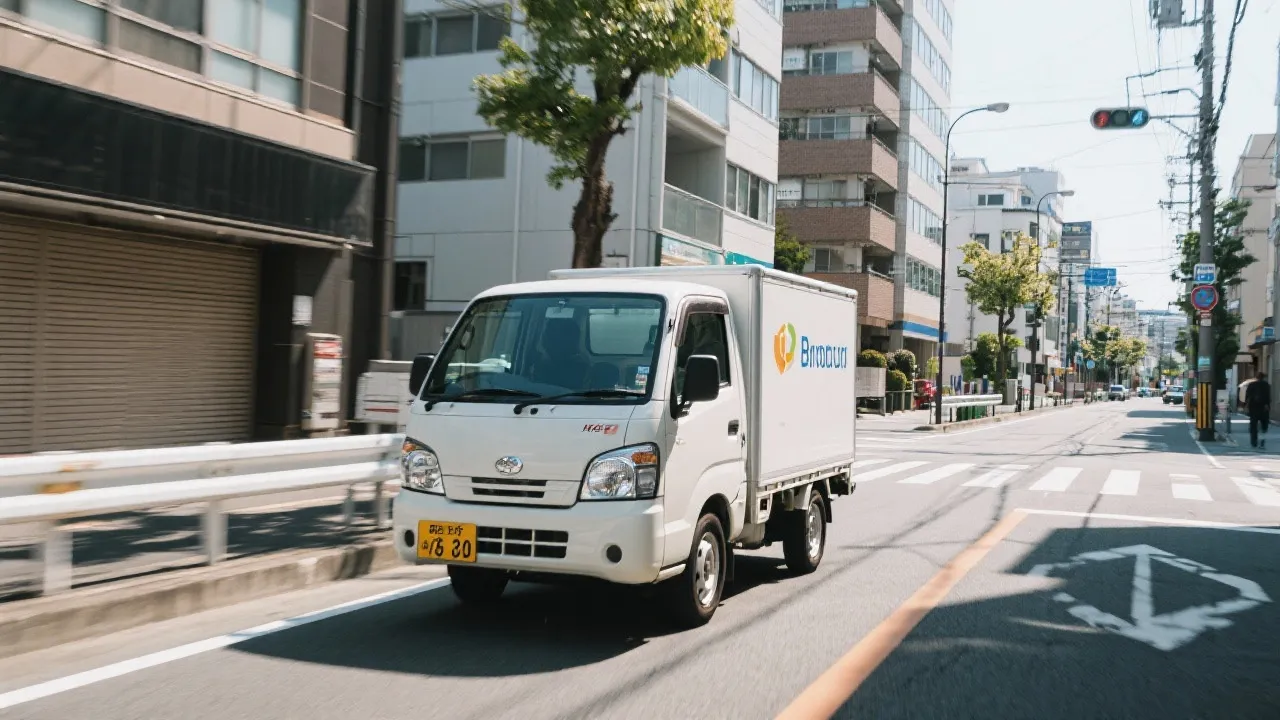
Pharmaceutical delivery drivers often work under various conditions depending on the specific contracts and companies they are employed with. Some might be tasked with long-distance deliveries, requiring an understanding of multi-state regulations, while others focus on urban routes, necessitating swift navigation skills amidst traffic. It is imperative for drivers to familiarize themselves with the infrastructure of the areas they serve, including hospitals, clinics, and pharmacies, as their operational efficiency can substantially influence patient care delivery.
Given the nature of their work, drivers typically spend long hours on the road. Hence, maintaining physical fitness and mental alertness is essential. Many companies implement health and wellness programs to assist drivers in remaining fit and healthy, which translates to better performance and reduced accidents on the road. Moreover, increased on-the-job training enhances driving skills and promotes a culture of continuous learning among employees.
Requirements and Qualifications
- A valid driver’s license with a clean driving record.
- Understanding of pharmaceutical regulations and proper handling techniques.
- Ability to pass background checks and undergo drug screenings.
- Basic knowledge of GPS and route optimization tools.
- Exceptional customer service skills to interact effectively with clients and healthcare professionals.
- Familiarity with health and safety regulations, ensuring compliance to minimize risk.
- Ability to operate specialized medical equipment if needed for temperature-sensitive deliveries.
Employment Landscape and Job Search Strategies
Prospective drivers looking for "医薬品配達ドライバー 求人" should consider networking with local healthcare facilities and logistics companies. Many opportunities can also be found through specialized job boards focused on healthcare and transportation roles. Customized resumes highlighting relevant experience can improve the chances of securing a position in this field. Additionally, leveraging social media platforms and professional networks such as LinkedIn can play a significant role in job hunting.
For a successful search, candidates should also be prepared for interviews by familiarizing themselves with the logistics company’s operation style and the type of pharmaceutical products they handle. Furthermore, candidates can enhance their credentials by undertaking relevant certifications or training courses in logistics and healthcare delivery, making them more attractive to potential employers. Free online courses and workshops are increasingly available, allowing prospective drivers to enhance their skill set easily.
Comparison Table: Pharmaceutical Delivery vs. Traditional Delivery
| Aspect | Pharmaceutical Delivery | Traditional Delivery |
|---|---|---|
| Product Handling | Requires careful temperature control and adherence to regulations. | Standard handling procedures. |
| Regulations | Follows strict healthcare and pharmaceutical guidelines. | General transportation regulations apply. |
| Job Stability | High, due to constant demand for medications. | Varies by industry. |
| Customer Interaction | Often involves direct interaction with healthcare professionals and patients. | Generally limited to delivery signatures and rarely involves engaging with clients. |
| Training Requirements | Encompasses extensive training on regulation compliance and product safety. | Focuses on driving regulations and delivery protocols. |
| Nature of Products | Deliveries include time-sensitive and high-value medications. | Deliveries can include a wide variety of ordinary goods. |
Challenges in the Field
Despite the rewarding nature of the work, pharmaceutical delivery drivers may face challenges such as navigating harsh weather conditions and managing time-sensitive deliveries. For instance, icy roads can disrupt routes or delay deliveries, necessitating quick thinking and adaptability. Continuous training and adaptation to new software and tracking technologies are often necessary to maintain efficiency. Moreover, the pressure of ensuring that life-saving medications reach patients on time adds an emotional layer of responsibility to the daily tasks of a driver.
Communication barriers can also pose challenges, particularly in urban environments where healthcare professionals may work at a fast pace. Thus, drivers must cultivate strong communication skills to ensure that their interactions are clear and effective, reducing the likelihood of errors during delivery. Additionally, dealing with misunderstandings or delays without escalating tensions is an essential soft skill for successful drivers in this role.
Potential for Growth
The pharmaceutical delivery industry, buoyed by technological advancements and a growing emphasis on patient-centric care, offers robust potential for growth. Opportunities for advancement might include transitioning into supervisory roles, logistics coordination, or even positions within pharmaceutical companies directly. As drivers gain experience, they can explore pathways into areas such as quality assurance, further combining their practical knowledge of the delivery system with strategic planning and management roles.
Furthermore, emerging technologies like drones and automated vehicles are poised to revolutionize the logistics space, providing avenues for drivers to evolve their careers. Continuous learning and adaptation to utilize these new technologies will be paramount for those looking to remain relevant in an ever-changing environment. Companies will likely look for drivers who are not only familiar with traditional delivery methods but also eager to adopt innovations, ensuring they remain competitive in the workforce.
FAQs
- What qualifications are essential for a pharmaceutical delivery driver?
A valid driver’s license, a clean driving record, an understanding of handling pharmaceuticals, and the ability to pass background checks.
- Are there specific software tools necessary for the role?
Familiarity with GPS technology and route optimization tools is beneficial, alongside any proprietary logistics software that may be used by employers.
- How does this career path differ from other delivery professions?
It involves strict regulatory compliance and specialized handling of sensitive products. Unlike traditional delivery jobs, pharmaceutical drivers are held to a higher standard of accountability that directly impacts patient health.
- Is training provided for new drivers in this field?
Yes, most companies provide comprehensive training on regulations, safety protocols, and handling practices to ensure compliance and deliver high-quality service.
- What is the expected salary range for pharmaceutical delivery drivers?
The salary can vary significantly based on geographic location, company size, and driver experience, but it generally provides a competitive wage, often enhanced with benefits specific to logistics and healthcare.
Conclusion
The role of pharmaceutical delivery drivers is integral in the healthcare sector, combining logistical skills with patient care responsibilities. As the demand for medical deliveries grows, so too do the opportunities within this field, offering a promising career path for those interested in logistics and healthcare. With the ongoing evolution of delivery methods and technologies, drivers will continue to play a vital role in ensuring that essential medications are delivered safely and effectively. Thus, embracing ongoing education and skill development will be essential for individuals aiming for a sustained and impactful career in this critical sector.
-
1

Understanding Full Mouth Dental Implant Costs
-
2
Discover 2025's Ultimate Top 10 Breathtaking Travel Hotspots!
-
3
Electric Vehicle Buyer's Guide: Discover the Top 7 Essential Considerations for Your Perfect EV Purchase!
-
4
Affordable Up Phone Storage Fastly: 7 Effortless Tricks to Create Space in a Snap
-
5
How Seniors in Assisted Living Communities Are Boosting Their Gold Investment Returns!